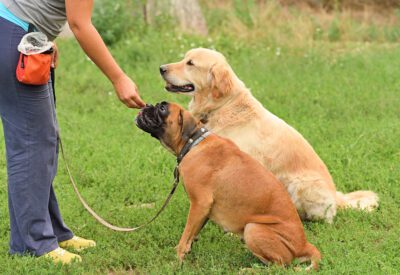
Positive Results: How Denver Dog Training Can Transform Your Dog’s Behavior
Posted on January 24th, 2024 by FetchMasters
They say that a dog is man’s best friend, and it’s not hard to see why. The unwavering loyalty, boundless energy, and unconditional love that dogs bring into our lives are truly priceless. However, as much as we adore our furry companions, sometimes their behavior and bad habits can be challenging and leave us scratching our heads. Whether it’s excessive barking, incessant digging, or leash pulling during walks, these behavioral issues can make life with our canine friends a bit more difficult.
Read More
What Pet Owners Need to Know about Puppy Training in Denver
Posted on January 11th, 2024 by FetchMasters
Bringing a new puppy into your home can be an exciting and rewarding experience. However, without proper training, it can also be a frustrating and stressful time for both you […]
Read More
How Positive Training Builds a Strong Bond
Posted on September 28th, 2023 by FetchMasters
In Denver, dog training plays a pivotal role both in helping your dog cope with the challenges of urban life. It also is key to strengthening the bond between you […]
Read More
Common Dog Behavior Issues and How Professional Trainers in Denver Can Help
Posted on June 27th, 2023 by FetchMasters
Did you know that over 48.5 million households in the United States own a dog? However, not all of those dogs are trained as properly as they should be! Training is not […]
Read More
The Importance of Socialization for Your Puppy
Posted on June 8th, 2023 by FetchMasters
Did you know that Denver has more dogs than children? That’s right, if you get a puppy in Denver, it’s going to have a lot of opportunities to meet other dogs. […]
Read More
How Separation Anxiety Can Affect Your Dogs Behavior
Posted on April 28th, 2023 by FetchMasters
Roughly 50% of all American households own a dog. Dogs aren’t just pets, they’re part of your family. In the same way, you’d support a family member that’s going through a tough […]
Read More
Workshop: Positively Training Dogs with High Prey Drive
Posted on January 13th, 2023 by FetchMasters
Positively training dogs with high prey requires know-how, resources and a properly devised training environment. Without the correct set-up, training can be very haphazard and slow. This is because, once […]
Read More
Free Zoom Discussion: The Struggle of Training Positively in Traditional Gundog Groups
Posted on April 20th, 2021 by FetchMasters
Positive Gun Dog Training is gaining mindshare across the nation, but it is still far from being an acceptable method of training in most gun dog organizations. Dog owners and trainers […]
Read More